Dino Dig Activity: An Amazing Ultimate Guide to Fun for Kids
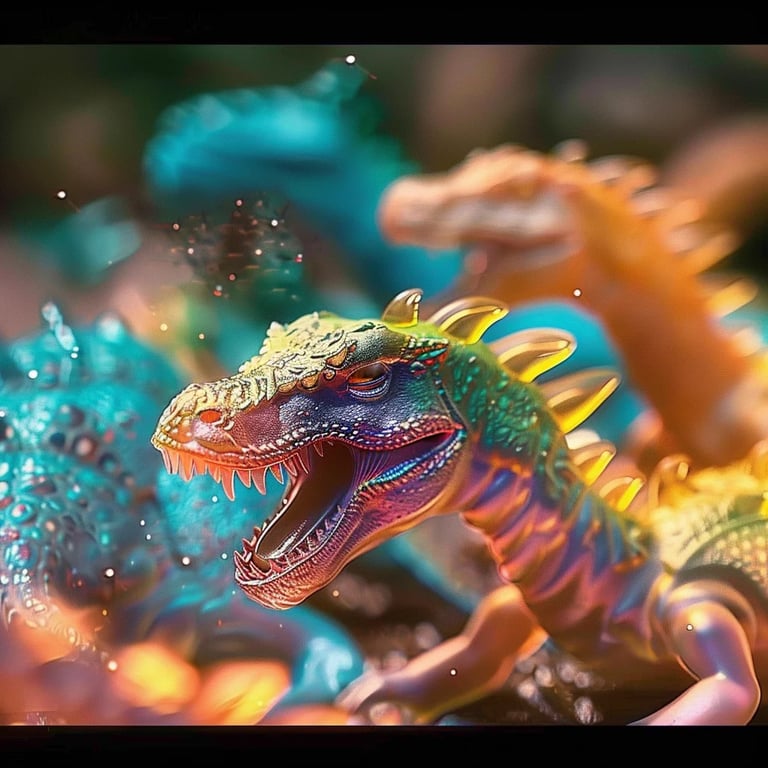
Dino Dig Activity is an incredible way to engage children in a fun and educational exploration of paleontology and dinosaurs. With the excitement of finding hidden fossils or dinosaur bones, kids can immerse themselves in an adventure that stimulates their curiosity and imagination. This activity is perfect for everything from birthday parties to classroom learning, providing a hands-on experience that children of all ages will enjoy. By creating an interactive environment where children can dig, discover, and learn, the Dino Dig Activity captivates young minds and fosters a love for science and history.
Imagine roving through a sandbox, tools in hand, as you unearth treasures from the past. This is not just a mere playtime; it is an opportunity for young learners to grasp the concepts of archaeology and geology. They'll learn about the history of dinosaurs, their habitats, and even some interesting facts about the Earth’s geology. The excitement of finding each 'fossil' can lead to priceless moments of discovery that children will remember for years to come.
Moreover, the Dino Dig Activity helps develop essential motor skills. Kids use shovels, brushes, and their own hands to dig through sand or dirt, enhancing their fine motor abilities. This activity is one that combines fun with learning in an unforgettable way. In this guide, you will discover the benefits of the Dino Dig Activity, how to prepare for it, and tips for maximizing the fun!
Why You’ll Love the Dino Dig Activity
The Dino Dig Activity is a remarkable experience that delivers more than just entertainment. Here’s why you'll adore this engaging activity:
- Educational Value – Children learn about dinosaurs, archaeology, and paleontology in an enjoyable, hands-on environment.
- Sensory Exploration – Digging through sand, dirt, or even a sensory bin provides tactile stimulation that is excellent for children’s development.
- Physical Activity – This activity encourages children to move around, which promotes physical health.
- Social Interaction – Working together in teams teaches kids about cooperation, sharing, and teamwork.
- Creative Imagination – Kids can role-play as paleontologists, allowing their imaginations to flourish.
- Customizable Experience – You can tailor the dig to suit the interests and age levels of participants, ensuring everyone has fun.
With countless benefits, the Dino Dig Activity is an enriching experience that combines education with play, helping kids develop valuable skills while they enjoy their time.
Preparation and Setup Time
Preparing for the Dino Dig Activity doesn’t take long. Here’s a breakdown of how much time you will need:
- Preparation Time: 30 minutes
- Dig Setup Time: 15 minutes
- Activity Duration: 1-2 hours, depending on the setting and number of kids involved.
This timeline makes it easy to include the activity as part of a larger event or a longer day of discovery.
Ingredients
For a successful Dino Dig Activity, you will need the following materials:
- Sandbox or large container filled with sand
- Toy dinosaur bones or plastic dinosaur figures
- Small shovels and brushes
- Plastic containers for fossil finds
- Water spray bottles (optional, for dampening sand)
- Magnifying glasses
- Trowels or hand spades
- Safety goggles (for eye protection)
- Aprons or old shirts to protect clothing
These simple components make it effortless to create a truly engaging experience. You can gather them easily for a fantastic day of dinosaur excavation!
Step-by-Step Instructions
Follow these steps to set up and conduct your Dino Dig Activity:
- Find a Suitable Location: Choose an outdoor space, such as a backyard or a park, where digging sand is permissible.
- Prepare the Dig Site: Fill your sandbox or container with sand, ensuring an ample amount for each child to explore.
- Bury the Treasures: Scatter the toy dinosaur bones or figures throughout the sand. Feel free to use a variety of shapes and sizes for added excitement.
- Gather Your Materials: Set up a station with shovels, brushes, and containers at the edge of the dig site.
- Introduce the Activity: Explain to the kids what they will be doing and what they may find. Encourage them to be careful as they 'excavate.'
- Start Digging: Allow the kids to begin digging! Encourage them to use brushes to carefully uncover the buried dinosaurs.
- Explore and Discuss: As they find fossils, ask questions about dinosaurs and discuss their characteristics, habitats, and extinction.
- Wrap-up: Once the digging time is over, gather the kids to share their findings, discussing the different types of dinosaurs uncovered.
- Clean Up: Ensure everyone helps to clean the site and organize the tools used for the activity.
By following these steps, you will create an exciting and educational experience that children will cherish!
How to Serve
When it comes to presenting the Dino Dig Activity, consider the following tips to enhance the experience:
- Create an Exciting Atmosphere: Use decorations like dinosaur banners or themed tablecloths to set the scene for the dig.
- Provide Refreshments: After a fun filled activity, serve dinosaur-themed snacks, like cookies shaped like dinosaurs or cupcakes with dinosaur toppers.
- Introduce a Creative Element: Allow kids to decorate their dig site with toy dinosaurs and create a prehistoric landscape with rocks and plants.
- Show Off the Finds: Set up a display area where children can showcase their excavated fossils for everyone to see.
- Engage with Follow-Up Activities: After the digging is concluded, include related activities like coloring pages or dinosaur crafts to reinforce what they learned.
By putting thought into how you present this activity, you can amplify the fun, making it a memorable day for all involved!
Additional Tips
- Safety First: Always supervise children during the Dino Dig Activity to ensure they are using tools safely. Ensure they wear safety goggles to protect their eyes from sand and debris.
- Age-Appropriate Materials: Tailor your dinosaur models or fossils to the age group of participants. Younger children may need larger, more durable toys, while older children can handle smaller, more intricate models.
- Incorporate Learning: Before or after the dig, provide a brief lesson about dinosaurs, their era, and the importance of fossils. This helps connect the digging with real-life paleontology.
- Have Extra Supplies: Always have extra shovels, brushes, and containers. This allows for smooth transitions and prevents waiting times among kids eager to dig.
- Encourage Exploration Beyond Digging: Provide kids with books or videos about dinosaurs that they can explore after the activity. This will extend their learning and keep their interest piqued.
Recipe Variation
The Dino Dig Activity can be customized to fit various themes and preferences:
- Outdoor vs. Indoor Digs: If outdoor digging isn’t an option, consider using indoor sensory bins filled with rice or beans, where children can discover smaller dinosaur miniatures.
- Seasonal Themes: In winter, create a dinosaur ice excavation by freezing small figures in water. Kids can use salt and water to "excavate" them from the ice.
- Different Fossil Types: Use different materials to represent fossils, such as shells, clay models, or even chocolate dinosaur eggs for an edible twist.
Freezing and Storage
While the Dino Dig Activity itself doesn't lend itself to freezing or storage, here are some tips for the materials used:
- Toy Storage: After the activity, rinse off any plastic toys and store them in a labeled bin for future use.
- Sand Storage: If using sandbox sand, cover it with a tarp after use to keep it clean for the next activity. Replace sand annually for fresh digging experiences.
Special Equipment
To execute the Dino Dig Activity smoothly, consider having the following additional equipment:
- Portable Sandboxes: If you intend to take your activity on the go, having a portable sandbox option will be beneficial.
- Dinosaur Fossil Kits: Purchase fossil kits that include a variety of dinosaur bones or fossils, enhancing the educational aspect.
- Waterproof Mats: Use waterproof mats under the digging area to keep the ground clean and prevent sand from spreading.
Frequently Asked Questions
What is the ideal age for the Dino Dig Activity?
The activity is suitable for kids aged 3 and up. You can modify the difficulty and content based on the age group.
Can I adapt the Dino Dig Activity for larger groups?
Yes, you can expand the dig site and create multiple digging stations for larger groups.
What if it rains on the day of the activity?
If it rains, consider setting up an indoor excavation with trays of sand or rice, making sure it’s a clean and manageable environment.
How can I keep kids engaged during the activity?
Play dinosaur-themed music in the background or create a dinosaur-themed quiz that they can participate in during breaks.
How can I ensure a successful cleanup after the activity?
Have designated clean-up stations where kids can deposit their tools and dispose of any sand. Enlist their help in tidying up to ensure everyone's involved.
Conclusion
The Dino Dig Activity serves as a delightful and educational experience for children, blending fun with learning seamlessly. As kids unearth dinosaur replicas, they acquire valuable knowledge about paleontology and history while developing motor skills and social interaction. This activity offers endless opportunities for creativity and exploration, making it a lasting memory for young adventurers. With careful planning and thoughtful implementation, the Dino Dig Activity promises excitement, discovery, and joy for all participants!