Create Your Own Fizzy Art: A Fun and Colorful Crafting Adventure
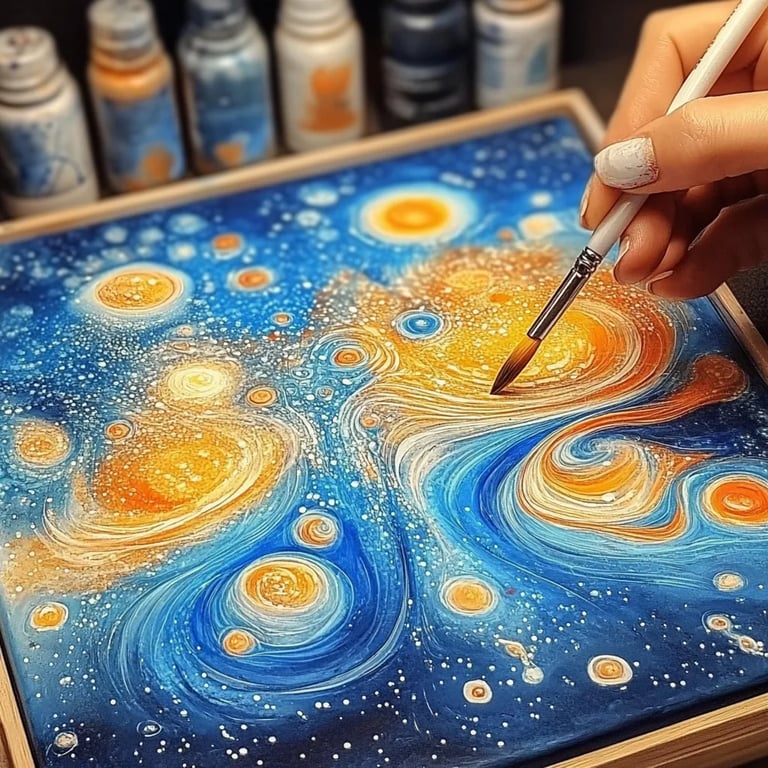
Hello fellow crafters! I'm thrilled to take you on an exciting journey into the world of Fizzy Art. As an experienced crafter who's enjoyed many creative escapades, I can tell you that this project is not just a beautiful way to express yourself, but it's also a delightful science experiment that brings joy to everyone—from kids to adults. Whether you're looking for an engaging activity for a rainy day, a unique party idea, or simply a relaxing way to unwind, Fizzy Art is versatile and endlessly fun.
What is Fizzy Art?
Fizzy Art is a craft that combines watercolor painting with a fizzy reaction from baking soda and vinegar or citric acid. When the colored liquid touches the baking soda, it fizzes and creates beautiful patterns on the paper. This stunning process transforms ordinary paper into vibrant, sparkling artwork. It’s a popular choice among teachers and parents because it brings together creativity, science, and a bit of magic! So, whether you're making heartfelt gifts, crafting decorations for a celebration, or just exploring your artistic side, this project has you covered.
When and How Can You Use Fizzy Art?
I’ve found that Fizzy Art can be an excellent addition to various occasions, such as:
- Birthday Parties: Set up a Fizzy Art station where kids can create their artwork.
- Family Bonding: Spend quality time with loved ones as you experiment with colors together.
- Education: Teach kids about chemical reactions while nurturing their creativity.
- Gifts: Create personalized greeting cards or framed artwork for friends and family.
Having painted with my kids multiple times with this technique, I can guarantee that it sparks laughter and excitement every single time!
Materials You Will Need
Here’s what you’ll need to gather for this adventure:
- Paper: Watercolor paper works best, but you can also use cardstock or thick construction paper.
- Baking soda: This will act as the base for your fizzy reaction.
- Vinegar or Citric Acid: This will provide the fizz. If you prefer, lemon or lime juice can also work well.
- Food Coloring or Liquid Watercolors: Choose vibrant colors that inspire you!
- Squeeze Bottles or Droppers: These will help you control the amount of liquid you add to your artwork.
- Tray or Baking Sheet: To contain the mess and provide a work surface.
- Paintbrush (optional): For spreading the baking soda more evenly.
- Water (for cleanup): Cleanup is essential, so have some water and paper towels handy!
Step-by-Step Tutorial on Creating Fizzy Art
Step 1: Prepare Your Workspace
Before diving in, set up your workspace. Lay down some old newspapers or a plastic table cover to catch any spills. I recommend doing this outdoors or in a well-ventilated area, as the vinegar smell can be quite strong.
Step 2: Create the Baking Soda Base
On your tray or baking sheet, create a design, words, or abstract patterns using the baking soda. You can use your fingers, a spoon, or even a paintbrush to spread it out. The consistency should be thick enough to hold its shape but not so thick that it’s unmanageable.
Tip: If you find that the baking soda is clumping, simply add a few drops of water. However, avoid making it too wet—balance is key!
Step 3: Prepare Your Color Solutions
In separate squeeze bottles or cups, mix approximately ½ cup of vinegar (or lemon juice) with 5-10 drops of your chosen food coloring. This sounds like a lot of liquid, but you want enough to get a rich color and a good fizz.
What Could Go Wrong: If you pour the vinegar directly onto the baking soda without mixing it with color, you might end up with just a white mound fizzing away. Always combine your colors with the acid first!
Step 4: Create Your Fizzy Art
Now for the fun part! Using your squeeze bottles or droppers, carefully drizzle or drop the colored vinegar over your baking soda designs. Watch in awe as the fizzing erupts! You can create a variety of effects depending on the amount of liquid you use.
Tip: To create stunning gradients or blends, try layering different colors next to each other. The fizz will naturally mix them slightly, creating beautiful swirls.
Step 5: Let It Dry
Once the fizzing subsides, set your artwork aside to dry completely. This can take a couple of hours to a full day, depending on the humidity and thickness of your application. Once it’s dry, you’ll see the gorgeous patterns develop!
Consideration: If you're working with children, this is a great moment to engage them in discussing the science behind the reaction—what creates the fizz and why bubbles form!
Tips and Variations
- Color Mixing: Experiment with combining different colors. You might be surprised by the results!
- Texture Play: Try adding a little sand or salt to the baking soda before the fizzy reaction occurs to create a textured effect.
- Layering: Once the first layer dries, consider adding more baking soda and repeat the process for a three-dimensional look.
Safety Warnings
While this project is generally safe for kids, make sure to supervise them closely. Vinegar is acidic and can cause irritation in sensitive individuals, so I advise using gloves if handling large amounts. Also, keep the materials out of reach from small children or pets to prevent accidental ingestion.
Alternative Methods and Ingredient Substitutions
- If you’re looking for a scent or different fizz experience, switch out vinegar with flavored soda (like lemon-lime or cola). It can create a sweet twist to your painting experience!
- If you don't have vinegar, you can experiment with carbonated water (though the effect might be less vigorous).
Personal Anecdote
I’ll never forget the first time I introduced Fizzy Art to my niece during a family gathering. We spent an entire afternoon giggling and creating vibrant masterpieces. Her squeals of delight as the colors danced and fizzed brought back the heartwarming joy of childhood curiosity. It was a moment that I realized how art transcends age—it’s an adventure for everyone involved!
Conclusion
Creating Fizzy Art is an exhilarating way to combine science and creativity that can be enjoyed by all ages. In just a few simple steps, you can transform baking soda and vinegar into a vibrant work of art that’s uniquely yours. I hope you find joy in this process, just as I do every time I roll up my sleeves and experiment with colors. Go ahead, gather your materials, unleash your inner artist, and watch as magic unfolds before your eyes. Happy crafting!