Create Your Own Colorful Butterfly Experiment: A Fun and Educational Craft
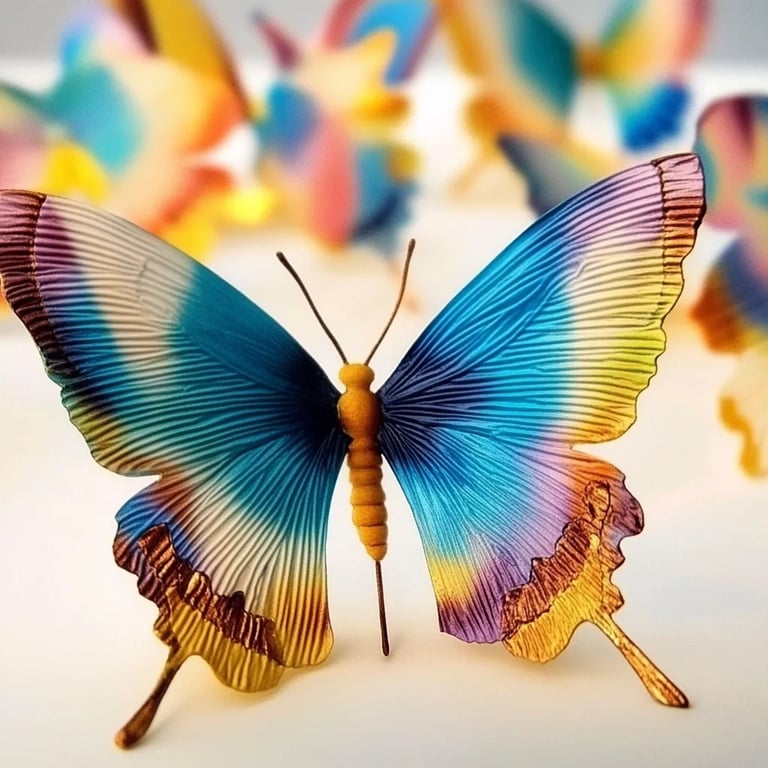
Hello fellow crafting enthusiasts! Today, I’m excited to share with you one of my favorite projects—the Colorful Butterfly Experiment. This delightful activity combines art and science, making it a fantastic choice for kids and adults alike. Whether you’re a parent looking for an engaging craft to do with your children, a teacher wanting to incorporate STEM into your curriculum, or simply a curious adult eager to experiment, this project is both educational and incredibly fun!
What is the Colorful Butterfly Experiment?
The Colorful Butterfly Experiment is a captivating way to explore how colors mix and how absorbent materials work. By using simple materials, we create beautiful, vibrant butterflies that seem to come alive right before our eyes! This project is perfect for family gatherings, classrooms, or even an artsy afternoon at home. Plus, it’s a fantastic way to introduce kids to the wonders of color theory, capillary action, and the beauty of nature.
What You’ll Need
Before we dive into the step-by-step process, let’s gather our supplies.
Materials:
- Coffee filters: 10-12 filters per butterfly
- Washable markers: A variety of colors makes the experiment more exciting.
- Water: You'll need some for the magic to happen!
- Spray bottle or dropper: For easy application of water.
- Scissors: For shaping your butterfly.
- Paper towels: To catch excess water and color.
- Pipe cleaners or clothespins: To create the butterfly's body.
- Cardstock or construction paper: For a sturdy base, if desired.
Step-by-Step Tutorial
Step 1: Prepare Your Workspace
Before anything else, set up your workspace. I always recommend using a protected surface, as things can get a little messy. Lay down some newspaper or an old tablecloth to ensure that you can clean up easily later.
Step 2: Color Your Coffee Filters
Now comes the fun part! Take your washable markers and begin coloring on your coffee filters. You can create beautiful patterns or simply doodle freely. Don’t worry about staying within the lines—this is all about experimenting!
Why This Step Matters:
Coloring the filters allows you to explore how colors mix and blend. The more colors you use, the more vibrant the result.
Possible Mistake: Not Adding Enough Color
If you find that your butterflies are looking a bit pale after the experiment, it could be because you didn't use enough marker. Don’t be shy! Layer those colors generously.
Step 3: Preparing for Water Application
Once you’re satisfied with your designs, lay your colored filters on the paper towels. This helps absorb any excess water, preventing a mess.
Step 4: Spritz or Drop Water
Using your spray bottle or dropper, gently mist or drop water onto the coffee filters. Watch as the colors begin to spread and mix!
Important Note on Technique:
Spraying gives more of an even distribution of water, creating lovely tie-dye effects. Dropping water can lead to more concentrated areas of color, which can also be visually appealing.
Common Challenge: Running Too Much Water
If you notice the colors are running together too much and becoming muddy, it’s likely that too much water has been applied. Just let the filters dry a bit and experiment with applying less water next time.
Step 5: Let It Dry
This is the part where we need a little patience. Allow the colored filters to dry completely. You can speed up the drying process with a fan if you’re impatient, like I often am!
Step 6: Cut Out Your Butterflies
Once your coffee filters are dry, it’s time to transform them into butterflies! Fold each filter in half and cut out a simple butterfly shape. Feel free to get creative with your shapes—additional cuts can add a unique flair.
Step 7: Create the Butterfly Body
Using pipe cleaners or clothespins, fashion a body for your butterflies. If using a pipe cleaner, you can easily fold it to create the head and antennae. If using a clothespin, stick it in the middle of your butterfly shape for a solid hold.
Tip: Secure the Wings
If your butterfly shape is too big, you can gently twist the base so it holds its shape better. For a more durable option, you might want to glue the filters at the base where it meets the body.
Step 8: Display Your Art
Once your butterflies are complete, it’s time to display them! You can hang them in a window, on a wall, or even as part of a nature-inspired centerpiece.
Safety Warnings
While this experiment is relatively safe, be sure to supervise younger children during the cutting phase. Scissors can be sharp, and it’s always best to have an adult assist if necessary.
Creative Variations on the Butterfly Experiment
Once you’ve mastered the basics, why not get creative? Consider the following alternatives:
- Different Shapes: Instead of butterflies, try other insect shapes or flowers!
- Seasonal Themes: Use colors consistent with holidays—red and green for Christmas, orange and black for Halloween, etc.
- Glow in the Dark: If adventure calls, try using glow-in-the-dark paint or markers for your butterflies.
- Flower Patterns: Apply the same technique using flower shapes for a spring-themed craft.
Conclusion
I hope you enjoy making your own Colorful Butterfly Experiment as much as I do! This project is not just about crafting; it’s an opportunity to explore the blending of colors, create beautiful art, and understand basic scientific principles.
So gather your materials, invite a friend, and let your creativity take flight! I’d love to hear how your butterflies turn out—feel free to share your experiences or any questions you might have in the comments section below. Happy crafting!