Crafting Your Own Haunted House: A Step-by-Step Guide for Spooktacular Fun
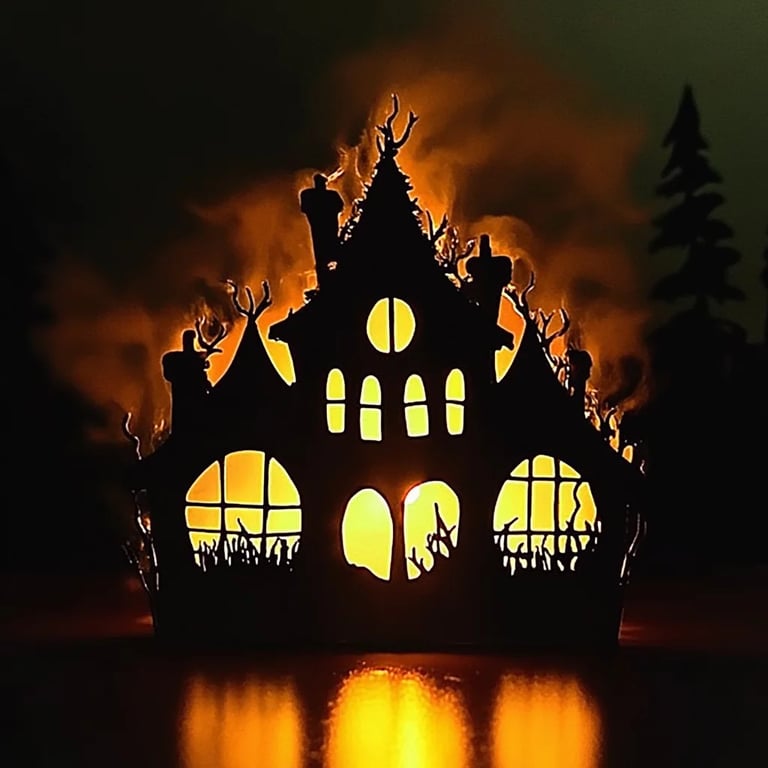
As the leaves turn and the air becomes crisp, there’s a certain magic in the atmosphere that signals Halloween's arrival. One of the most beloved traditions I’ve embraced every year is crafting my very own Haunted House. It’s not just an ordinary craft project; it's an opportunity to unleash creativity, share eerie tales, and create some memorable moments with family and friends. In this guide, I’m excited to walk you through the process of making your own haunted house from scratch. So, grab your glue, gather your materials, and let’s get started!
Why Haunted Houses Are So Popular
Haunted houses are an essential part of Halloween lore. They cater to our love of the spooky and mysterious, providing a thrilling experience that awakens the imagination. Over the years, I’ve come to appreciate crafting haunted houses not just for decoration, but as a form of storytelling—each house tells a unique tale. Plus, they make for fantastic festive decorations and are a fun activity to share with kids and fellow crafters.
When and How to Use Your Haunted House
Your homemade haunted house can serve multiple purposes:
- Halloween Decoration: Set it on your porch, in your garden, or as a centerpiece on your dining table.
- Haunted House Parties: Use it as part of games or storytelling at your Halloween gatherings.
- Family Bonding: Enjoy the crafting process with family, making it a memorable bonding activity.
Materials You'll Need
Before we dive into the crafting process, let’s gather our materials. You likely have many of these items at home already:
- Base Structure: Cardboard boxes, shoe boxes, or wooden boxes (think about reused or recycled materials).
- Decoration Supplies: Construction paper, tissue paper, old magazines, paint, or any decorative elements you fancy (like faux cobwebs, plastic spiders, etc.).
- Adhesives: Craft glue, white glue, hot glue (with caution), or glue sticks.
- Tools: Scissors, a ruler, and a pencil for making measurements.
- Optional Lights: Battery-operated fairy lights for that extra spooky glow.
- Extras: Googly eyes, miniature toys (like skeletons), glitter, and any other embellishments that inspire you!
Step-by-Step Tutorial
Step 1: Prepare Your Base
Why This Matters: A strong base is crucial for ensuring your haunted house stands tall and looks professional.
- Select Your Box: I often prefer using a medium-sized cardboard box, which provides enough space for creativity.
- Cut Out the Door and Windows: Use scissors to cut out a door and several windows from your box. Don’t worry about making them perfect; a little wonkiness can add to the character!
- Tip: Consider cutting the roof at an angle to give it that classic haunted look. Remember, safety first—if you’re using scissors, cut slowly and carefully.
Step 2: Build Structure and Texture
What Could Go Wrong: If the box is too weak or flimsy, the house might collapse while you’re decorating.
- Reinforce the Structure: If necessary, tape or glue additional cardboard pieces inside the house to provide support.
- Texture: To create a spooky look, tear bits of paper or use paint to add "cracks" or "vines" to the walls. I often use a sponge to dab paint around the edges for a weathered look.
Step 3: Decorate Your Haunted House
Why This Matters: This is where the spirit of Halloween truly comes to life!
- Paint: Start with a base coat of dark colors like black, dark purple, or dark green. Let it dry completely.
- Add Windows and Doors: I love using tissue paper to create spooky stained glass windows. Simply cut pieces of tissue paper and glue them behind the openings.
- Personal Anecdote: One year, my daughter and I used glow-in-the-dark paint for the windows, and the effect at night was hauntingly beautiful!
Step 4: Create a Spooky Landscape
Safety Warning: Avoid using flammable materials when creating your haunted house landscape.
- Pathway: Use small pebbles or crumpled black paper to create a spooky pathway leading to the house.
- Foreground: Add small Halloween decorations like plastic bats, spider webs, or even an antique-looking frame with a ghost photo inside it.
Step 5: Light It Up
- Battery-Operated Lights: I can’t emphasize this enough—adding lights transforms your haunted house into something magical. Run the lights through windows or place them inside to create an eerie glow.
- Tip: Place the lights on a timer so they turn on automatically at night.
Step 6: Finishing Touches
What Could Go Wrong: If you rush this step, the small details that make your house unique can be overlooked.
- Embellishments: Add glitter to paths, use googly eyes around the house for a quirky aspect, and don’t shy away from creating DIY tombstones from cardboard for your garden area.
- Alternative Methods: If you have extra time, you could even create themed rooms inside the house—like a witch's lair or a ghostly graveyard scene.
Variations on Your Haunted House
One of the best parts of your haunted house project is how customizable it is! You could make a classic Victorian spooky mansion one year, then switch it up to create a creepy cabin or even a pirate ship the next. Let your imagination and inspiration guide you.
Final Thoughts
The beauty of crafting your own haunted house is that it’s more than just a decoration; it’s an experience that brings the magic of Halloween into your home. Each year, I find new ways to enhance my haunted house, whether through new techniques, materials, or designs. I encourage you to enjoy the process, make mistakes, and let your creativity shine.
Happy crafting, and may your haunted house be as spooky as your imagination allows! Don't forget to share your creations with me or on social media; I would love to see your unique interpretations!