Crafting Fun: How to Make Fizzing Colors Baking Soda & Vinegar Experiment
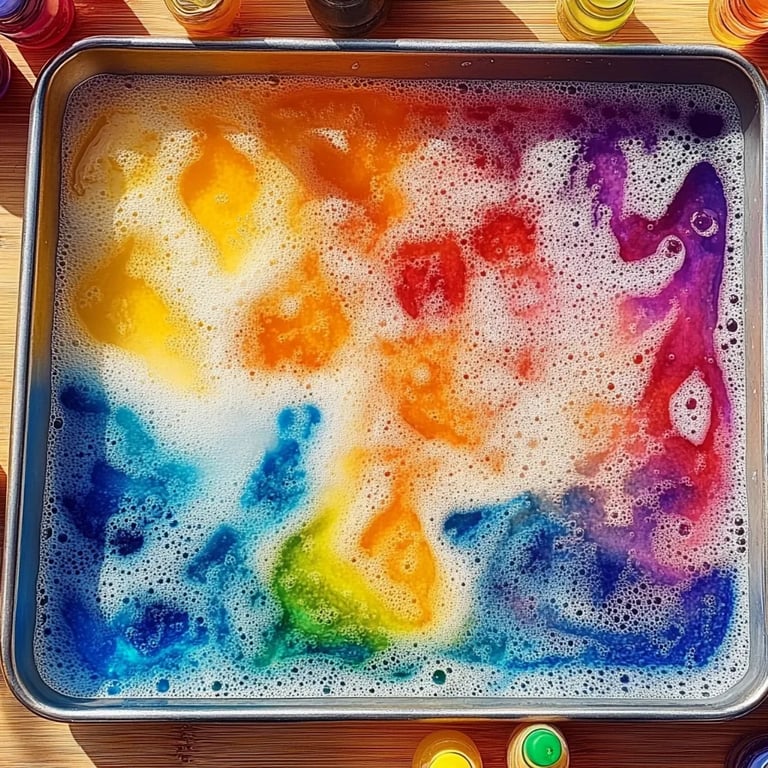
Ah, the thrill of watching colors fizz and swirl before your very eyes! The Fizzing Colors Baking Soda & Vinegar Experiment has been a favorite among kids and adults for years. Not only is it an exciting way to introduce chemical reactions, but it also allows creativity to bloom as you mix and match different colors. I’ve personally enjoyed this experiment countless times with my kids, and it never fails to bring out the giggles and ooohs and aaahs!
This experiment stands out for being not just informative but also incredibly fun, making it perfect for birthday parties, family gatherings, or quiet afternoons. Plus, it’s a simple setup that requires easily accessible materials, allowing budding scientists (and crafters) to dive into the world of chemistry without breaking the bank. Let me take you through the process, sharing tips, tricks, and personal anecdotes along the way.
—
What You'll Need
Before we get started, let's assemble the materials you'll need for this colorful experiment:
Materials
- Baking Soda – The star of our show! It creates the fizz.
- Vinegar – A household staple known for its acidic properties.
- Food Coloring – Choose your favorite colors to make your creation vibrant!
- Small containers or plates – You’ll be using these to mix your colors.
- Spoons or small scoops – For measuring and mixing.
- Dropper or small cup – To control how much vinegar you pour.
- Tray or large plastic sheet – For easy cleanup (trust me, it can get messy!).
- Optional: Glitter or small decorative items – To add an extra flair to your creation.
Safety Warning
While this experiment is safe and fun, always supervise young children. You wouldn’t want anyone to taste the vinegar or get any in their eyes. Having fun doesn't have to come at the cost of safety!
—
Step-by-Step Guide
Now that you’ve collected all your supplies, let’s jump into the exhilarating process of creating fizzing colors!
Step 1: Setting Up Your Workstation
Begin by covering your workspace with old newspapers or a plastic sheet. When baking soda meets vinegar, things can get a bit lively!
Step 2: Create Your Baking Soda Base
In your small containers or plates, add a few tablespoons of baking soda. The amount depends on how much fizzing action you’re hoping for, but about two tablespoons is usually sufficient.
Why this step matters: The baking soda serves as the base for our reaction. It’s important not to skimp out on this! If you use too little, the reaction will be weak and disappointing.
Step 3: Add Food Coloring
Go wild here! Drop in a few drops of food coloring directly onto the baking soda. You can use multiple colors in one container if you’re feeling adventurous. It’s a good way to see how the colors interact when they start to fizz.
Tip: For a more vibrant result, add the food coloring before the vinegar—this allows the colors to mix more thoroughly during the reaction.
Step 4: Prepare Your Vinegar
In a separate cup or container, pour just enough vinegar to create a good splash when added to the baking soda. Aim for a quarter cup; you can always add more later.
What could go wrong: If you misjudge the amount of vinegar, you might not see a significant reaction. Start with a modest amount and add more if needed.
Step 5: Combine and Watch the Magic
Now comes the thrilling moment! Using your dropper or cup, slowly add the vinegar to the baking soda. Observe the fizzing and bubbling as the two substances react, releasing carbon dioxide gas.
Anecdote: Watching my kids’ eyes light up as the fizz began to bubble over was one of my favorite parenting moments. It’s like watching a mini volcano erupt—who doesn’t love a good explosion of colors?
Step 6: Clean Up and Reflect
Once the fizzing has settled, take some time to reflect on your experiment. You can mix different colors together or even add another layer of baking soda and vinegar for a second round of fizzing!
Step 7: Clean-Up Time
Use a damp cloth or sponge to wipe away any residual baking soda and food coloring. If you used trays, you can simply wash them with soap and warm water.
—
Troubleshooting Tips
- No Fizz: If your reaction isn’t fizzy enough, try using fresh ingredients—old baking soda or vinegar can lose potency.
- Color Mixing Issues: For a more visually appealing result, avoid dumping all your colors into one container. Distinct patches of color create a more vibrant effect.
- Messy Overflow: If the fizzing bubbles overflow, that's just part of the fun! Prepare to be spontaneous, and don't forget the towels!
—
Creative Variations
To truly make your Fizzing Colors Experiment unique, consider these creative twists:
- Glow in the Dark: Use tonic water instead of vinegar for a glow-in-the-dark effect!
- Glitter Explosion: Add a pinch of glitter to your baking soda for some sparkly fizzing fun.
- Crafty Containers: Use different types of containers like muffin tins or eggshells to create different shapes and sizes of fizz!
- Theme-Based Colors: Tie your colors to a theme—pastels for Easter, reds and greens for Christmas, or shades of orange for Halloween.
—
Final Thoughts
Creating a Fizzing Colors Baking Soda & Vinegar Experiment is not just a lesson in chemistry; it's a chance to bond with friends and family, to explore creativity, and to get a little messy while having fun! I hope this guide inspires you to dive in and experiment with colors, reactions, and a bit of joy.
Remember: the only limit is your imagination! Enjoy the fizz, and happy crafting!