Crafting Eco-Friendly Bioplastic Suncatchers: A Step-by-Step Guide
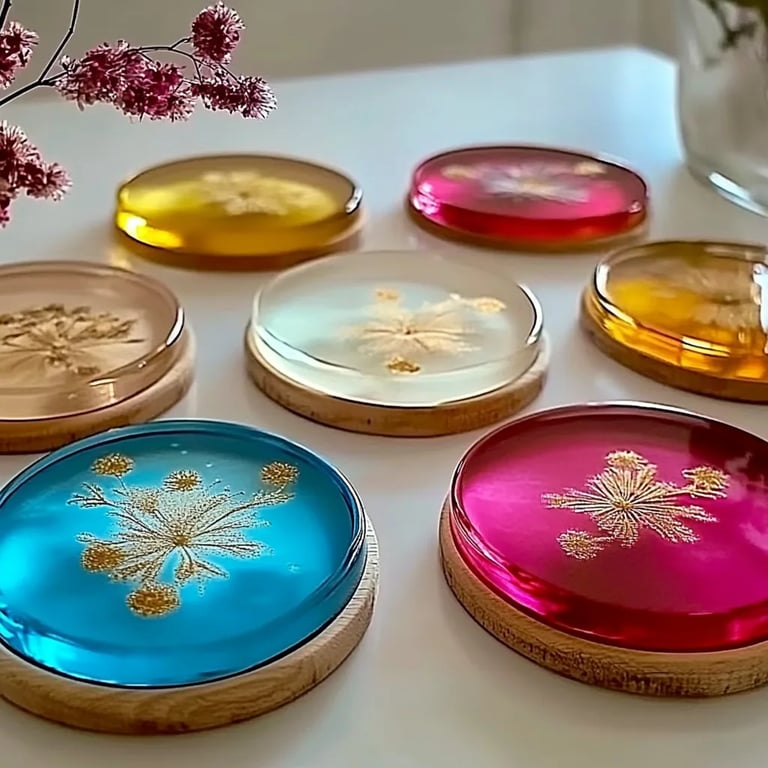
Hello fellow crafters! Today, I’m excited to share with you a delightful project that combines creativity, sustainability, and a touch of whimsy: making eco-friendly bioplastic suncatchers. Not only are these lovely creations a beautiful addition to your home or garden, but they also serve as a wonderful way to introduce eco-conscious crafting to children and adults alike.
What Are Bioplastic Suncatchers and Why Are They So Popular?
Bioplastic suncatchers are transparent or semi-transparent ornaments that catch the sunlight, casting colorful reflections onto your windows or garden. They’re reminiscent of stained glass and are a fantastic way to brighten up any space. The popularity of bioplastic suncatchers has surged as people become increasingly aware of their environmental impact and seek sustainable alternatives to traditional crafting materials.
When and Where Can They Be Used?
You can hang these suncatchers in your windows, on porches, or in nearby trees—all the spots where nature's light can illuminate your creations. They make for lovely gifts, cheerful decorations for holidays, or simply a fun summertime activity with the family.
Materials Needed
Before we dive into the crafting process, let me walk you through the materials you’ll need. I’m all about keeping it simple and accessible:
Basic Ingredients:
- Cornstarch (1 cup): The main ingredient for creating our bioplastic.
- Water (0.5 cup): To dissolve the cornstarch.
- Glycerin (2 tablespoons): This gives elasticity to your bioplastic.
- Food coloring: For adding vibrancy to your suncatchers. Natural dyes can also be used for a more organic touch.
- Wax paper or silicone baking mats: To form and release your suncatchers.
- Cookie cutters or templates: For shaping your designs.
Optional:
- Glitter or natural herbs: For added texture and sparkle.
- Paint or acrylics: If you want to add detailing after your suncatchers have dried.
Step-by-Step Tutorial
Now that we have everything prepped, let’s get crafting! Follow these steps closely for the best results.
Step 1: Prepare Your Workspace
I cannot stress enough the importance of organization with this project! Find a flat, clean surface to work on. Lay down newspaper or a drop cloth to manage any spills.
Step 2: Mix the Ingredients
In a medium-sized saucepan, combine 1 cup of cornstarch, 0.5 cup of water, and 2 tablespoons of glycerin. Stir these ingredients over low heat until they form a smooth, thick paste. This step is crucial because the mixture needs heat to activate the cornstarch, so don’t skip it!
Tip: If you see lumps, be patient. Keep stirring until the mixture is homogenous.
Step 3: Add Color
Once you have your paste, remove it from the heat and stir in your desired food coloring. Remember, the more you add, the more vibrant your final product will be. You can even separate the mixture into smaller bowls and create different colors for a fun rainbow effect!
Step 4: Shape Your Suncatchers
Place your wax paper or silicone baking mats on the flat surface. Pour the colored mixture onto the wax paper and use a spatula to spread it out into a thin layer (about 1/8 inch thick). You can also use cookie cutters to create fun shapes right away.
What Could Go Wrong? If your bioplastic is too thick, it won’t dry properly. If that happens, just add a bit of water and stir it back over low heat until it becomes more pliable.
Step 5: Drying Time
This is the waiting game! Allow your creations to dry for 24 to 48 hours, depending on humidity levels. They should be sturdy yet flexible enough to bend without breaking.
Step 6: Cut and Decorate
Once dry, gently peel the suncatchers from the wax paper. You may need a craft knife if you’re working with intricate shapes. Here comes the fun part: embellish your suncatchers using paint, glitter, or even pressed flowers for a more natural look!
Step 7: Hang Your Suncatchers
To hang them, simply punch a small hole at the top and thread a string or ribbon through. Choose colorful or eco-friendly twine to enhance the aesthetic.
Troubleshooting Common Issues
- Suncatchers are Sticky: If your suncatchers feel tacky after they've dried, try dusting them lightly with cornstarch to absorb excess moisture.
- Shape Doesn’t Hold: If your suncatchers are bending too much, it might be that they need a longer drying time or a slightly different ratio of ingredients next time.
- Color Bleeds: If your colors run during the drying process, try using a less watery food coloring or allowing each layer to dry completely before adding another.
Creative Variations
Now that you’ve mastered the basic recipe, let’s think outside the box! Here are some creative ideas:
- Themed Suncatchers: Try creating seasonal designs for holidays such as hearts for Valentine’s Day, leaves for autumn, or snowflakes for winter.
- Layered Color: Pour multiple layers of different colored mixtures to create a beautiful marbled effect.
- Nature Imprints: Incorporate leaves or flower petals into the mixture before drying for an organic touch.
Safety Warnings
While the materials used in making bioplastic suncatchers are generally safe, I still recommend working in a well-ventilated area, especially while heating the mixture. If you’re crafting with kids, keep a close eye on the heat to prevent any burns.
Final Thoughts
Crafting eco-friendly bioplastic suncatchers was an incredibly rewarding experience for me, and I hope it will be for you too. Not only do these suncatchers add charm to your space, but they also serve as a wonderful conversation starter about sustainability in crafting. I encourage you to experiment and adapt this project to your style.
Remember, crafting is a journey. Embrace the process, let your imagination flow, and most importantly—have fun! Happy crafting!