Chia Seed Sensory Bin: An Incredible Ultimate Guide to Fun
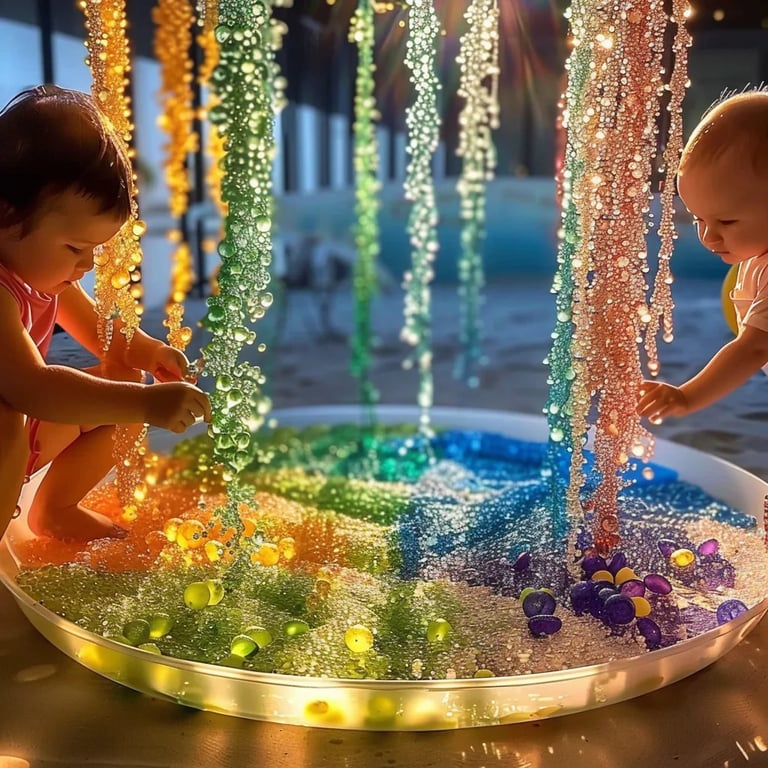
Chia Seed Sensory Bin is an amazing activity that combines play and education seamlessly. These simple yet nutrient-packed seeds can become the foundation for a delightful sensory experience for children. With their unique texture, vibrant colors, and versatility, chia seeds offer endless possibilities for creativity. When transformed into a sensory bin, they become a delightful medium through which children can explore, learn, and have fun. Whether you’re an educator, a parent, or a caregiver, this sensory bin activity provides a nurturing environment that stimulates a child's imagination and sensory development.
Parents and teachers have discovered the numerous benefits of sensory play. It encourages exploration, promotes fine motor skills, and can improve cognitive abilities. Chia seeds can provide a uniquely squishy and gel-like texture that adds an exciting dimension to sensory play. As children engage with the chia seed sensory bin, they can relish in pouring, scooping, and sifting. This not only enhances their tactile experience but also sparks curiosity about science, nature, and nutrition.
Additionally, crafting a chia seed sensory bin is an excellent opportunity to incorporate themes or concepts, such as winter, ocean exploration, or gardening. This activity supports various aspects of learning, from scientific inquiry to artistic expression. In this guide, we’ll delve into the reasons why you’ll love creating a chia seed sensory bin, the preparation and setup needed, the essential ingredients, step-by-step instructions for crafting your sensory bin, and tips on how to serve this engaging activity to your little ones.
Why You’ll Love This Recipe
Creating a Chia Seed Sensory Bin is an extraordinary way to engage children in sensory play. Here are several reasons why this activity is so beloved:
- Nutritional Benefits: Chia seeds are incredibly nutritious. They're high in omega-3 fatty acids, fiber, and essential nutrients.
- Simple Setup: This sensory bin requires minimal preparation and ingredients, making it quick and easy to set up.
- Versatile Play: You can customize the sensory bin with different themes, toys, and colors.
- Safe and Edible: Chia seeds are non-toxic and safe for children, allowing peace of mind during play.
- Promotes Creativity: Children can use their imagination while interacting with the chia seeds and the additional items in the bin.
- Enhances Learning: Engaging in sensory play supports tactile learning, spatial awareness, and fine motor skills.
With these incredible aspects in mind, it becomes clear why the Chia Seed Sensory Bin is a favorite among many parents and educators. It not only promotes creative play but also provides educational benefits that will spark a child's love for learning.
Preparation and Time
Creating a Chia Seed Sensory Bin is a straightforward process that can be accomplished in under an hour. Here’s how you can break down the preparation time:
- Preparation Time: 15 minutes for setup.
- Soaking Time: Approximately 30 minutes (allow the chia seeds to swell).
- Total Time: About 45-60 minutes from start to finish, including soaking.
This time frame may vary based on individual preferences and additional materials you wish to incorporate. However, it's manageable and corresponds well within a play session for kids.
Ingredients
- 1 cup of chia seeds
- 4 cups of water
- Food coloring (optional)
- Various small toys or objects (e.g., measuring cups, spoons, small plastic animals)
- A large container or bin for the sensory setup
Step-by-Step Instructions
Follow these simple steps to create your very own Chia Seed Sensory Bin:
- Combine Chia Seeds and Water: In a mixing bowl, combine 1 cup of chia seeds with 4 cups of water. Stir well to avoid clumping.
- Add Food Coloring: If you wish to make the sensory bin visually appealing, add a few drops of food coloring to the mixture. Stir until the color is evenly distributed.
- Let Soak: Allow the mixture to sit for about 30 minutes. Stir occasionally to ensure that all chia seeds are absorbing water.
- Prepare the Bin: While the chia seeds are soaking, select a large, shallow bin suitable for sensory play.
- Pour into the Bin: After the chia seeds have developed a gel-like consistency, pour them into the sensory bin.
- Add Toys/Objects: Incorporate various small toys or tools into the bin for children to explore. Think along the lines of scoops, cups, and other tactile items.
- Optionally Add Natural Elements: If desired, mix in some natural elements like sand, pebbles, or leaves to create a more varied texture.
- Mix and Explore: Encourage children to mix, scoop, pour, and explore their new chia sensory bin!
Following these steps ensures a wonderful sensory experience that is as educational as it is fun.
How to Serve
To make the most of your Chia Seed Sensory Bin, follow these serving suggestions:
- Engage with Theme: Relate the activity to a theme, such as animals, ocean life, or gardening, to enhance learning and engagement.
- Provide Tools: Offer an assortment of scoops, cups, and other tools to foster exploration and imaginative play.
- Facilitate Interaction: Ask open-ended questions to encourage children to express their thoughts and observations. For instance, "What happens when you pour the chia seeds from one container to another?"
- Sensory Exploration: Encourage children to close their eyes and feel the texture of the chia seeds. This promotes mindfulness and sensory awareness.
- Incorporate Learning: Introduce concepts related to the ingredients, such as discussing where chia seeds come from and their health benefits during play.
By creatively serving the Chia Seed Sensory Bin, you can turn a simple activity into a memorable, enriching experience that promotes sensory exploration and learning.
The Chia Seed Sensory Bin is not just an activity; it’s a delightful journey into the world of textures and creativity that can inspire little minds while also providing joy and wonder!
Additional Tips
- Experiment with Textures: You can add items like rice, cornmeal, or even small sponges for varied textures in your sensory bin.
- Colorful Additions: Consider adding colorful plastic letters or shapes to promote learning and engagement.
- Supervise Playtime: Always supervise children during play, especially if they are younger or prone to placing objects in their mouths.
- Regular Cleaning: Clean the sensory bin and all materials after each use to ensure hygiene and to maintain the materials' quality.
- Engage in Conversations: Use this opportunity to discuss the nutritional benefits of chia seeds, sparking conversations about healthy eating.
Recipe Variation
Feel free to customize your Chia Seed Sensory Bin experience with these fun variations:
- Seasonal Themes: Change the color and add seasonal items, like pastel colors for spring or autumn leaves for fall, to keep the activity relevant.
- Themed Sensory Bins: Create a garden-themed bin by adding mini gardening tools or small plastic vegetables to explore.
- Integrated Learning: Combine the chia seeds with other edible materials such as oats or uncooked pasta to teach children about different textures and properties.
- Olfactory Elements: Introduce scents by adding essential oils mixed with water, like lavender or peppermint, to stimulate multiple senses during play.
Freezing and Storage
- Storage: The chia seed and water mixture should be stored in an airtight container in the refrigerator. This will keep it fresh for 4-5 days.
- Freezing: While it’s not common to freeze the mixture, you can freeze separate sensory bin components (like toys) if needed. Ensure they're dry before freezing to avoid ice crystals forming.
Special Equipment
To create and manage your Chia Seed Sensory Bin effectively, consider these useful tools:
- Measuring Cups and Spoons: Essential for measuring your chia seeds and water accurately.
- Mixing Bowls: Useful for soaking the chia seeds and combining them with other ingredients.
- Shallow Sensory Bin: A wide shallow bin allows for ample exploration space for kids.
- Scoop and Pour Tools: Use cups, scoops, and spoons to enhance motor skill development.
- Plastic Tray: Lay a tray underneath the bin to catch any spills and to contain the mess for easier cleanup.
Frequently Asked Questions
Can I reuse the chia seed sensory bin?
Yes, but it's advisable to clean both the seeds and the bin thoroughly between uses.
How long will the chia seeds last in the bin?
The texture can change over time. Ideally, use the sensory bin within a few days of preparation for optimal experience.
What age group is this activity suitable for?
This activity is great for kids aged 2 and up. However, supervision is essential, especially for younger children.
Are there alternatives to chia seeds?
Yes, you can use other seeds like flaxseeds, but they have a different texture. Alternatively, consider using rice or lentils for a similar sensory effect.
Do chia seeds require special storage?
Keep any unused chia seeds in a cool, dry place in an airtight container to maintain freshness.
Conclusion
Creating a Chia Seed Sensory Bin is a wonderful way to provide children with rich sensory experiences that support learning and development. The tactile exploration of chia seeds, combined with imaginative play, can foster creativity and curiosity. With easy setup and nutritional benefits, this sensory bin is not only fun but also educational. Incorporate themes, customize with various items, and dive into the world of sensory play to inspire little minds. Celebrate the joy of exploration and watch as children engage with their surroundings in delightful and meaningful ways!