Bubble Painting for Kids: An Amazing Ultimate Guide with 5 Steps
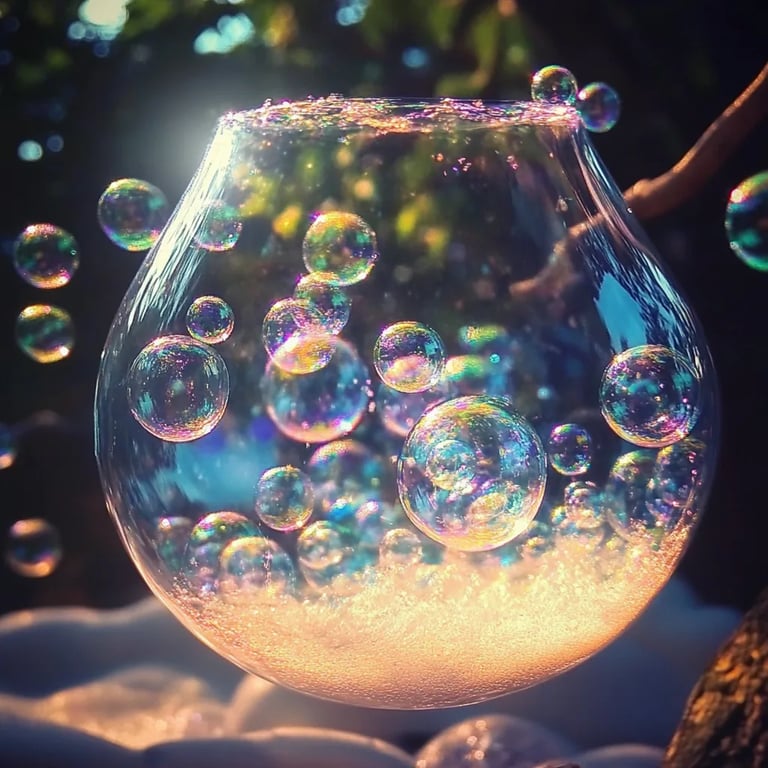
Bubble painting for kids is an incredible way to blend creativity and fun! This engaging activity allows children to explore colors and textures while developing their artistic skills. Whether at home or in the classroom, bubble painting can provide hours of entertainment and learning. As a delightful mix of art and science, it invites kids to watch their creations come to life with a simple blow of air, turning your ordinary painting session into an extraordinary experience.
When it comes to engaging children, bubble painting is both delightful and educational. The rapid popping of bubbles creates fascinating designs and textures on paper, making every piece unique. Kids will love experimenting with different colors, bubble sizes, and techniques. Furthermore, it encourages essential fine motor skills while igniting their imaginations. As parents and educators, you'll appreciate its messy yet manageable nature! This guide will go over why you’ll love this bubble painting recipe, what you need, and how to execute this exciting outdoor art project successfully.
Let’s dive into the amazing world of bubble painting and discover how it can captivate your children’s imaginations while they have a blast creating their masterpieces!
Why You'll Love This Recipe
Bubble painting for kids offers numerous benefits, making it a fantastic addition to your list of creative activities. Here are some reasons why this artistic endeavor stands out:
- Easy Setup – The ingredients are simple and easy to find, with most likely items already available at home.
- Creative Freedom – Kids can choose their colors, creating a personalized piece of art that reflects their unique style.
- Hands-On Learning – This activity encourages children to learn about colors and mixing, which can enhance their understanding of art fundamentals.
- Sensory Experience – The combination of bubbles and paint engages multiple senses, making the activity more immersive and fun.
- Outdoor Fun – It’s a great way to get children outdoors while allowing them to express themselves artistically.
- Social Interaction – Kids can work together, share colors, and enjoy each other's company while creating a collaborative masterpiece.
Each of these aspects contributes to making bubble painting not just entertaining but also educational, ensuring kids have a wonderful time while honing their skills.
Preparation and Cooking Time
To get the most out of your bubble painting session, proper preparation is key. The total time needed for this activity is around 30-45 minutes, which includes preparation and cleanup. Here’s a breakdown of the time required:
- Preparation Time: 15 minutes
- Activity Time: 20-30 minutes
- Cleanup Time: 10-15 minutes
These times can vary slightly based on how many children are involved and their familiarity with the materials. However, this estimate should provide a solid framework for organizing your bubble painting session.
Ingredients
- 1 cup of water
- 1 cup of liquid dish soap
- 1 cup of food coloring (various colors)
- 1 straw (for blowing bubbles)
- White cardstock or watercolor paper
- A large shallow container or tray
- Aprons or old clothes (for protection)
Step-by-Step Instructions
Creating bubble painting for kids is straightforward if you follow these steps:
- Mix the Bubble Solution: In a container, combine 1 cup of water with 1 cup of liquid dish soap. Stir gently to avoid creating too many bubbles.
- Add Food Coloring: Divide the bubble solution into smaller cups and add various drops of food coloring to each cup. Mix gently until the colors are well-blended.
- Prepare the Painting Area: Lay out white cardstock or watercolor paper in a large shallow container to catch any drips. This setup helps manage mess and captures the artwork beautifully.
- Blow Bubbles: Take a straw and dip it into one of the colored bubble solutions. Use the straw to blow bubbles over the cardstock, making sure they pop on the paper. This creates an interesting pattern.
- Experiment and Play: Encourage kids to switch colors and blow bubbles in different areas to see how the colors blend and interact. Let their creativity shine as they experiment with various techniques.
How to Serve
To make the most of your bubble painting experience, consider these serving suggestions:
- Display Artwork: Frame the finished bubble paintings or hang them on a wall as an art gallery. This can boost children’s confidence and show their creative accomplishments.
- Art Shows: Organize a mini art show with family members and friends, showcasing the kids’ artwork. Make it an event where little artists can proudly present their creations.
- Gift Ideas: Use the paintings as personalized greeting cards or wrapping paper for friends and family. This adds a unique touch to gifts and highlights your child’s artistic flair.
- Combine with Other Crafts: Pair bubble painting with other art projects, such as collaging or creating 3D elements to enhance their artwork further.
- Encourage Reflection: Have kids explain their artwork to others and share what they learned during the activity. This fosters communication skills and boosts self-esteem.
In summary, bubble painting for kids is an amazing, interactive activity that blows traditional art techniques out of the water! With minimal materials and impressive results, it's an ideal way to keep children creatively engaged.
Additional Tips
- Supervise Kids: Always supervise kids during this activity to ensure they blow bubbles safely and avoid any ingestion of materials.
- Experiment with Tools: Try different objects like toothbrushes or combs for unique bubble patterns and textures.
- Adjust Ingredients: If you want thicker bubbles, increase the amount of dish soap slightly.
- Choose a Suitable Space: Pick an outdoor space where dripping paint won't stain surfaces, like a patio or grassy area.
- Layering Technique: Once a layer of bubbles has dried, let kids layer more bubbles on top for deeper color effects.
Recipe Variation
Get creative with these fun variations of bubble painting:
- Glow-in-the-Dark Option: Add neon paint or glow-in-the-dark food coloring to the bubble solution for a mesmerizing nighttime activity.
- Sparkling Bubbles: Add a small amount of edible glitter or sparkly paint to give the artwork a shimmering effect.
- Scented Paints: Use different flavored extracts (like vanilla or almond) in place of food coloring for a sensory addition to the painting.
- Nature Imprints: After blowing bubbles, press leaves or flowers onto the wet paint to create beautiful imprints.
Freezing and Storage
- Storage: Clean up excess paint and allow completed artworks to dry completely. Store finished pieces flat in a dry area to prevent damage.
- Freezing: While bubble paintings are generally best when fresh, you can take high-resolution photos of the artwork and create lasting digital keepsakes.
Special Equipment
You will need a few essential tools to make the bubble painting activity successful:
- Mixing Containers: Use various containers to mix different colors of bubble solutions.
- Protective Gear: Stock up on aprons or old shirts to protect clothing from paint splatters.
- Different Bubble Blowing Tools: Consider using various straws or bubble wands for different sizes of bubbles.
- Water-Safe Workspace: Ensure you have a water-safe area outdoors to prevent mess indoors.
Frequently Asked Questions
Can I use different types of paint?
Yes! Experiment with washable paints or non-toxic inks for more vibrant colors.
What if my bubbles don't pop?
Make sure your bubble solution is well-mixed, and vary the angle or distance from which the children blow bubbles.
Is this activity safe for younger children?
While bubble painting is generally safe, supervision is necessary for younger kids to avoid ingestion or accidents.
Can I do this activity indoors?
Yes, you can do it indoors! Just ensure you cover surfaces to protect them from paint stains.
Conclusion
Bubble painting for kids is not just an art activity; it's a journey into creativity, sensory exploration, and hands-on learning. Children relish the excitement of seeing color and texture combine in a unique way. With simple ingredients and endless possibilities for variation, bubble painting can easily become a favorite weekend pastime or classroom project. So gather your supplies and let the bubbles fly, turning your child’s imaginative visions into vibrant works of art!