Balloon Science Experiment: An Amazing Ultimate Guide to 5 Techniques
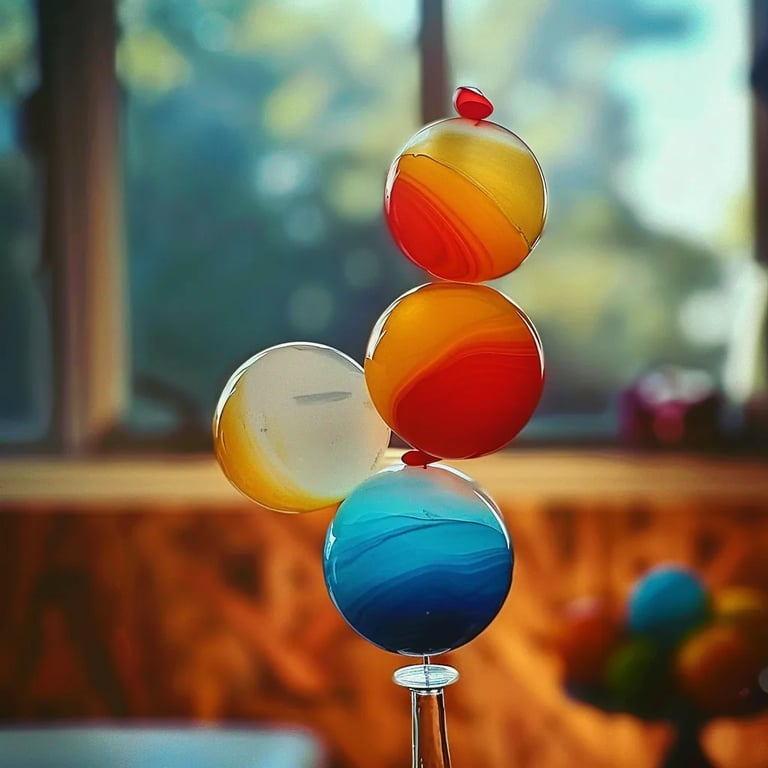
Balloon science experiment provides a fascinating way to explore scientific principles in a fun and engaging manner. From simple chemical reactions to fascinating physics experiments, balloons transform academic concepts into hands-on activities. Whether you're a parent seeking educational activities for your kids or a teacher aiming to bring excitement into the classroom, balloon science experiments are your ultimate solution. The incredible versatility of balloons allows for endless exploration, making them an excellent tool for learning.
Experiments with balloons are not only educational, but they also offer an avenue for creativity. Using common household items, you'll discover how easy it is to demonstrate important scientific concepts through engaging activities. Kids will love experimenting with colors, changes in pressure, and more, enhancing their understanding of both science and basic principles of engineering.
In this guide, we’ll cover five incredible balloon science experiments that are perfect for classrooms, birthday parties, or rainy days at home. These activities promise to impress your little scientists while sparking curiosity and exploration. Let's dive into the fascinating world of balloon science!
Why You’ll Love This Recipe
The Balloon Science Experiment collection is sure to engage children and adults alike for several reasons:
- Engaging and Fun: Kids will be excited to watch balloons pop, inflate, and fly while learning.
- Educational Value: Each experiment demonstrates fundamental scientific concepts, including gas expansion, chemical reactions, and aerodynamics.
- Easy to Prepare: Most balloon science experiments involve common household materials, making them accessible and easy to set up.
- Great for Group Learning: These experiments work well in both small and large groups, making them suitable for classrooms or parties.
- Creativity and Exploration: Children can modify experiments to see different results, fostering creativity and innovative thinking.
With these engaging reasons, you can see why balloon science experiments are an essential addition to any learning environment. They not only offer knowledge but also create lasting fun memories!
Preparation and Cooking Time
You’ll want to set aside approximately 1 hour to complete the balloon science experiments featured in this guide. Here’s an estimated breakdown of the required time:
- Preparation Time: 15 minutes
- Experiment Time: 30-40 minutes
- Clean-Up: 10-15 minutes
These times may vary based on the number of children involved and their familiarity with the activities. Nonetheless, this time frame allows for a comprehensive exploration of each experiment.
Ingredients
For these balloon science experiments, you'll need the following ingredients and materials:
- Balloons (various sizes and colors)
- Baking soda
- Vinegar
- Food coloring
- Clear plastic bottles (empty soda bottles work great)
- Water
- Straws
- Tape
- Ballpoint pens
- Paper towels
- Scissors
- Funnel (optional)
- Large container (for messier experiments)
Step-by-Step Instructions
Here are five engaging balloon science experiments you can conduct easily:
1. Baking Soda and Vinegar Balloon
Materials Needed:
- Balloon
- Baking soda
- Vinegar
- Plastic bottle
Instructions:
- Prepare the Balloon: Use a funnel or stretched straw to fill the balloon with baking soda.
- Prepare the Bottle: Pour about 1/4 cup of vinegar into the plastic bottle.
- Attach the Balloon: Carefully attach the balloon’s opening to the bottle without letting the baking soda fall into the vinegar yet.
- Set It Up: Lift the balloon to let the baking soda fall into the vinegar.
- Observe the Reaction: Watch as the balloon inflates due to the carbon dioxide gas created by the chemical reaction!
2. Balloon-Powered Car
Materials Needed:
- Balloon
- Straws
- Tape
- Cardboard (for the car base)
- Wheels (like bottle caps)
Instructions:
- Create the Car: Cut a piece of cardboard to serve as the base. Attach wheels (bottle caps) to the sides.
- Build the Engine: Tape one end of a straw to the balloon’s opening, sealing it tightly.
- Attach to the Car: Tape the other end of the straw to the back of your cardboard base.
- Inflate: Blow air into the balloon and pinch it closed.
- Release: Let go and watch how far the balloon-powered car travels as the air escapes!
3. Balloon Rocket
Materials Needed:
- Balloon
- String (about 10 feet)
- Straw
- Tape
Instructions:
- Set Up the String: Tie the string to two stationary objects, ensuring it's taut.
- Prepare the Balloon: Thread a straw through the string.
- Inflate the Balloon: Blow up the balloon, but do not tie it; instead, pinch it closed.
- Tape Balloon to Straw: Secure the balloon to the straw with tape.
- Release: Let go of the balloon and watch it zoom along the string!
4. Colorful Balloon Magic
Materials Needed:
- Balloons (preferably light colors)
- Food coloring
- Water
- Clear plastic container
Instructions:
- Fill the Balloons: Add small drops of food coloring into the balloon before inflating it.
- Inflate and Seal: Inflate the balloon and tie it off.
- Prepare the Container: Fill a clear plastic container with water.
- Drop and Watch: Carefully drop the balloon into the water. Observe how the water inside the container stays clear while the food coloring creates a colorful explosion!
5. Static Electricity Balloon
Materials Needed:
- Balloons (several)
- Wool or fleece fabric (like a sweater/cloth)
Instructions:
- Rub the Balloon: Vigorously rub the balloon against the wool cloth for about 10-15 seconds.
- Conduct a Test: Bring the balloon close to small pieces of paper or your hair.
- Observe the Effect: Watch how the balloon attracts the paper or makes your hair stand up, demonstrating static electricity in action!
How to Serve
To maximize the experience of your balloon science experiments, consider the following suggestions:
- Talk it Out: Encourage discussions about the science behind each experiment. Ask questions to promote critical thinking.
- Document Findings: Have the children document their results with drawings or notes after each experiment.
- Offer Variations: Let the kids experiment with different colors, balloon sizes, or quantities to see different results.
- Use Safety Precautions: Ensure safety by supervising when needed, especially during chemical interactions or with small parts.
By enhancing your balloon science experiments with thoughtful presentations and interactive discussions, you'll provide a rewarding educational experience. Enjoy watching curiosity flourish as children immerse themselves in the world of science through these engaging experiments!
Additional Tips
- Prepare a Safe Environment: Ensure that the experiment area is clear and safe for children to engage in activities without hazards.
- Talk Through the Science: While conducting each experiment, discuss what’s happening. This reinforces learning and helps children grasp concepts better.
- Have Extra Materials: Keep a supply of extra balloons and ingredients. Kids often love experimenting further with the concepts presented.
- Encourage Questions: Cultivate curiosity by encouraging children to ask questions about the experiments and their outcomes.
- Keep Records: Use a notebook for kids to write down their findings and observations. This reinforces scientific principles.
Recipe Variation
Experimenting is part of the fun! Consider these variations to engage creatively in your balloon science experiments:
- Different Sizes: Use various balloon sizes to see how the amount of gas influences speed in balloon-powered cars or rockets.
- Mix Colors: Try using multiple food coloring drops in one balloon for exciting visual effects in the Colorful Balloon Magic experiment.
- Alternative Fuels: In the Baking Soda and Vinegar Balloon experiment, substitute vinegar with lemon juice to observe any differences in reaction.
- Balloon Shapes: Instead of round balloons, use long balloons or different shapes to explore how they affect the air dynamics in your experiments.
- Enhanced Balloons: Add small amounts of glitter or confetti to balloons for visual flair during the experiments.
Freezing and Storage
Some balloon science materials can be prepped ahead or stored for later use:
- Baking Soda and Vinegar: Store baking soda and vinegar separately in labeled containers for easy access during experiments.
- Balloon Storage: Keep unused balloons in a sealed bag to prevent them from losing air and becoming unusable.
- Colorful Balloon Magic Setup: Prepare the colored water in advance, but it's best to inflate the balloons just before use to keep them fresh and engaging.
- Tip for Leftovers: If you have a half-inflated balloon from the Balloon Rockets, deflate it carefully and store it for the next experiment.
Special Equipment
To successfully perform these balloon science experiments, here’s a list of recommended materials:
- Safety Goggles: For added safety, especially when dealing with vinegar and baking soda reactions.
- Funnels: Helpful for filling balloons and ensuring that materials go where you want them.
- Scissors: To ensure easy access to materials and for crafting (if modifying car bases or other components).
- Measuring Cups: For more precise measurement of vinegar or other liquids, enhancing the educational component.
- Markers: For labeling containers and keeping track of different colored mixtures in the Colorful Balloon Magic experiment.
Frequently Asked Questions
Why do balloons inflate with baking soda and vinegar?
The reaction between baking soda and vinegar produces carbon dioxide gas, which fills the balloon.
Can these experiments be modified for older children?
Yes! Older kids can delve deeper into the scientific principles behind each experiment or create their variations.
Is it safe for young children to participate?
Most experiments are safe, but supervision is essential, especially regarding handling materials like vinegar and food coloring.
What if I don't have balloons at home?
You can use alternate materials such as plastic bags to conduct similar experiments, though results may vary.
Can I reuse the balloons?
Generally, it’s best to use new balloons for each experiment to ensure they perform well and are safe to handle after repeated use.
Conclusion
Balloon science experiments are a thrilling and educational way to explore fundamental scientific principles. They encourage creativity and curiosity, making learning fun for children of all ages. Each experiment can spark discussions, foster teamwork, and provide memorable experiences. The versatility of balloons paired with simple household items can lead to hours of enjoyable experimentation. So, grab some balloons and dive into the wonder of science today!