Baking Soda Fizzy Painting: An Amazing Ultimate Guide to Fun with 7 Steps
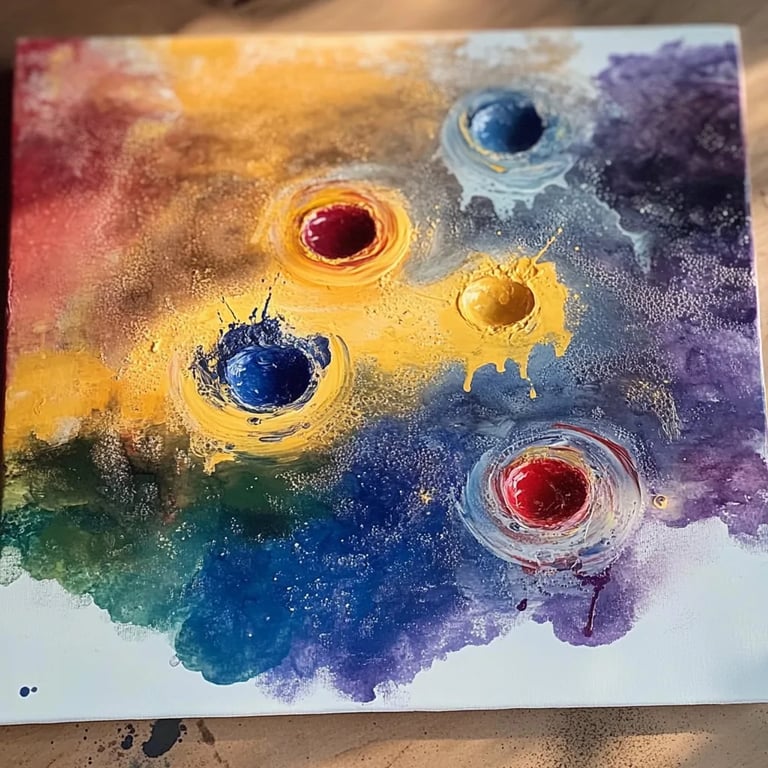
Baking Soda Fizzy Painting is a captivating and engaging activity that combines art and science, creating an experience that is both entertaining and educational. This innovative method uses the natural properties of baking soda and vinegar to create a vibrant and dynamic painting experience. By sprinkling baking soda on paper and then using colored vinegar to create fizzing reactions, you can transform a simple art project into a fun learning opportunity.
This activity is not only about creating colorful artwork; it also introduces children and adults alike to basic chemical reactions. As the vinegar interacts with the baking soda, it produces carbon dioxide, creating fizzy bubbles and a delightful visual effect. It's an incredible way to keep everyone engaged while exploring creativity and learning simultaneously.
In this guide, you will learn why Baking Soda Fizzy Painting is an amazing choice for creative exploration, the preparation and cooking times involved, and the essential ingredients. You'll also receive step-by-step instructions to ensure success and tips for serving and displaying your artwork afterward. Let’s dive deeper into this fascinating and fun-filled activity that can become a favorite pastime for families, educators, and friends alike.
Why You’ll Love This Recipe
Baking Soda Fizzy Painting provides a unique twist to traditional painting activities. Here are several reasons why this interactive experience is sure to become a favorite:
- Safe and Non-Toxic: Made with common kitchen ingredients like baking soda and vinegar, this activity is safe for all ages.
- Educational: It teaches basic chemistry concepts in a fun way, making it perfect for homeschooling or classrooms.
- Interactive Art: The fizzing reaction adds an exciting dimension to the painting, captivating participants.
- Easy to Set Up: With minimal materials needed, you can quickly prepare for a fun art session at home or in a classroom.
- Encourages Creativity: Participants can express their creativity freely, experimenting with colors and designs.
- Involves Multi-Sensory Learning: The visual fizzing, colors, and textures engage multiple senses, enhancing the overall experience.
- Perfect for Any Occasion: Whether it’s a birthday party, family gathering, or a classroom art day, this activity is adaptable for various events.
With these compelling reasons, it’s easy to understand why Baking Soda Fizzy Painting is so beloved. The combination of art, science, and fun captures the essence of creativity!
Preparation and Cooking Time
Preparing for your Baking Soda Fizzy Painting session doesn't require much time at all. In total, this activity takes about 30 to 40 minutes, as detailed below:
- Preparation Time: 10 minutes
- Activity Time: 30 minutes
This session might vary slightly depending on the number of participants and their engagement levels. Nonetheless, this timeframe should give you a good estimate for planning your fun-filled art project!
Ingredients
- 1 cup baking soda
- 1 cup vinegar (distilled white or apple cider)
- Food coloring (various colors)
- Water
- Large shallow tray or baking pan
- Paintbrushes or droppers
- Paper (watercolor or construction paper)
Step-by-Step Instructions
Here’s how to execute the Baking Soda Fizzy Painting activity in just a few simple steps:
- Prepare the Area: Set up your workspace by laying down newspaper or a plastic sheet to catch any spills.
- Mix the Baking Soda: Spread a 1-cup layer of baking soda evenly on a large shallow tray or baking pan.
- Prepare the Vinegar Mixture: In small cups or bowls, combine 1 cup of vinegar with a few drops of food coloring. Use different colors for variety.
- Create Your Art: Use brushes or droppers to apply the colored vinegar onto the baking soda. Watch as it fizzes and bubbles.
- Experiment with Colors: Feel free to mix colors together and see how they react with one another!
- Observe the Reaction: Spend time watching the fizzy reaction occur. It's a beautiful spectacle and a great lesson in chemistry.
- Allow to Dry: Once you’re satisfied with your painting, let it air dry completely for an even more stunning effect.
These steps will guide you through this exciting activity, ensuring that everyone involved has a fascinating and memorable experience with Baking Soda Fizzy Painting.
How to Serve
Once you've completed your vibrant art, here are some delightful ways to serve and display your creations:
- Framing the Artwork: Once dry, consider framing the paintings to preserve the colors and make them suitable for display.
- Create a Gallery: Set up a mini art gallery at home or in the classroom to showcase the artwork of all participants.
- Gift Ideas: Use the finished paintings as personalized gifts for family and friends. They make for thoughtful, unique presents.
- Celebration Decor: Hang the artworks as decorations for parties or events to brighten up the space creatively.
- Document the Process: Take photos of the painting process and the finished pieces. Create a scrapbook or digital photo album to keep memories.
With these serving ideas, you ensure the fun of Baking Soda Fizzy Painting extends beyond the activity itself, enhancing shared experiences and creativity. Enjoy the colorful results!
Additional Tips
- Use High-Quality Ingredients: For the best colors and fizz, opt for quality food coloring and fresh baking soda.
- Experiment with Tools: Try using various paintbrushes, cotton swabs, or even fingers for unique designs.
- Supervise Young Children: Ensure that kids are supervised during the activity, especially when using vinegar.
Recipe Variation
Feel free to customize your Baking Soda Fizzy Painting experience! Here are a few fun variations to try:
- Edible Art: Swap out the vinegar for sweetened fruit juices. This makes the art activity safe to consume afterward!
- Glow in the Dark: Use fluorescent food coloring to create glowing artwork when exposed to blacklight.
- Textured Art: Mix some flour with the baking soda to create different textures and patterns.
Freezing and Storage
- Storage: The painted artworks should be allowed to air dry completely before storing. Keep them flat and avoid stacking.
- Freezing: While the artwork is not suitable for freezing, you can store the baking soda and vinegar mixture separately for later use.
Special Equipment
To make this exciting activity a success, gather the following essential tools:
- Large shallow tray or baking pan
- Mixing cups for your colored vinegar
- Paintbrushes or droppers for application
- Plastic sheets or newspapers to protect surfaces
- Water containers for rinsing brushes
Frequently Asked Questions
Can I use other types of paper for this art?
Absolutely! While watercolor and construction paper work best, you can experiment with various types of paper.
Is Baking Soda Fizzy Painting safe?
Yes, it's safe and non-toxic, making it ideal for children. Always supervise younger kids during the activity.
What if I want to make larger paintings?
Feel free to scale up the baking soda and vinegar quantities. Just ensure you have enough space to work.
How do I clean up after the activity?
Clean any spills with water. Both baking soda and vinegar dissolve easily, making cleanup straightforward.
Can I use this activity for teaching?
Definitely! Use it as a fun, interactive learning tool to teach kids about chemical reactions and colors.
Conclusion
Baking Soda Fizzy Painting serves as a delightful combination of art and science that entertains and educates. This engaging activity brings creativity to life while introducing fundamental chemistry principles. It encourages families and educators to bond through imaginative expression and hands-on learning experiences. With this guide, you can ensure a memorable project that leaves participants excited and curious!